


You might just be starting your own brand. You might already have a strong brand, complete with identity system and guidelines, along with a million followers on social media. I have worked on both (sort of), and copywriting works just the same.
For this article, I will be using Terza's homepage copy as an example. But you can apply these following steps to create brand names, taglines, headlines, sub-headlines, or any other short-form writings intended for marketing and sales purposes.
Step One: Describe What You Want
It sounds simple, but a lot of business owners (and writers) find themselves confused since they have not answered the simple question: what do you want to achieve?
Do you want to catch attention? Do you want to offer a solution to a problem they already know? Do you want them to realize a problem that they might have but not realized yet? Do you want to offer a glimmer of hope out of a dire situation? Do you want to scare them and sell security? Do you want to sell status? Do you want to educate? Do you want them to fear missing out on a trend? Do you want to agitate them against the trend and be different?
You must, and I say must, pick one. Not two, not one and a half. Exactly one purpose for one line of writing. In Terza's case, we are selling a makeover package for people who want to make their brand prettier. That was it. That was how we started.
Step Two: Find an Example That You Like
Let's face it together: there is nothing new under the sun. Everything has been thought of, written, and done somewhere. Your job is easy now; pick several examples that you like, from different brands. Make sure that these examples serve the same purpose you want from Step One.
When picking inspirations, you want them to be diverse. Short vs Long, Bright vs Dark, Simple vs Complicated, Fun vs Serious, et cetera. As long as they all serve your purpose, you want these examples coming from different ends of spectrum. I usually pick about a dozen, and narrow it down to a handful. If you want others to help seeking inspirations for you, ask them to give just one or two.
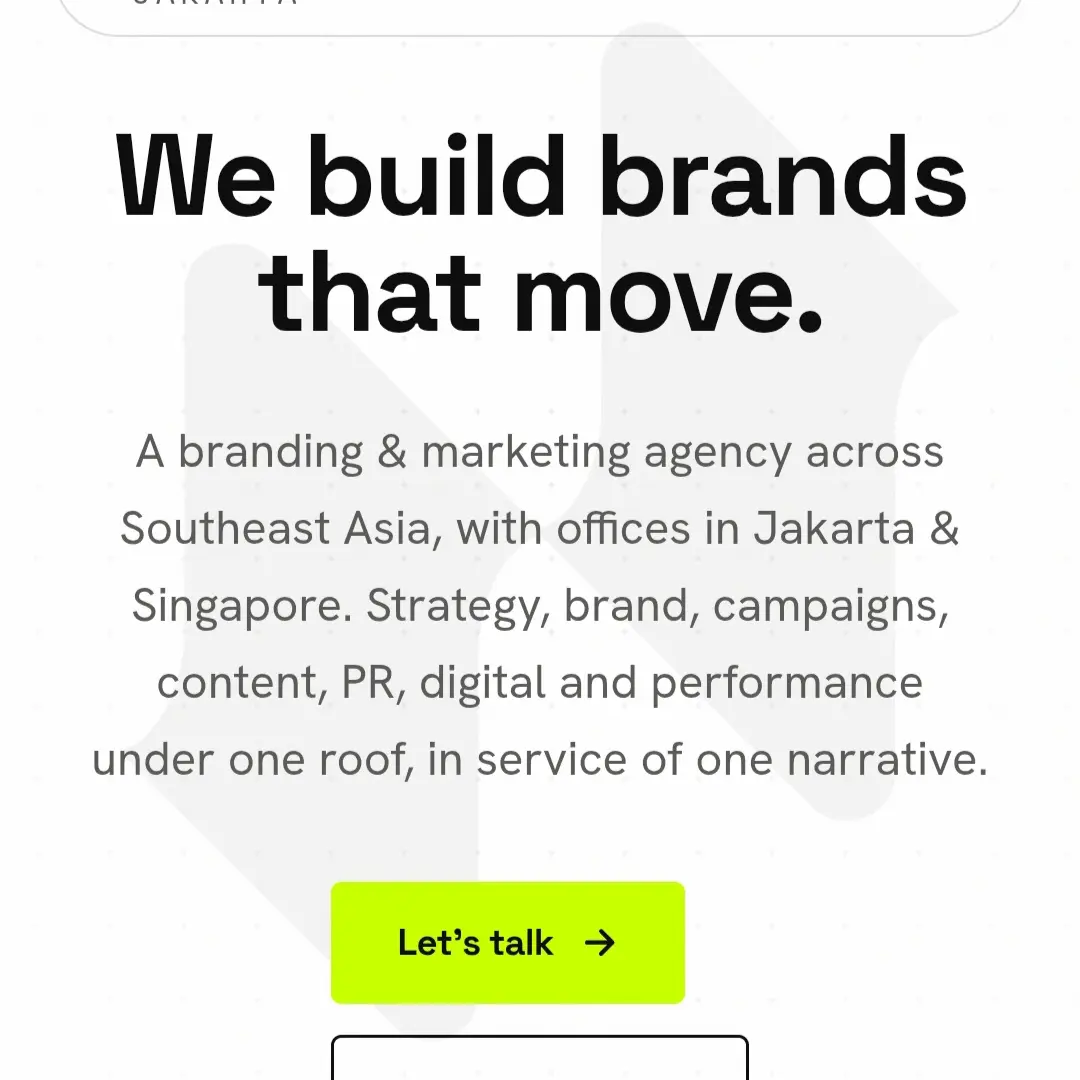
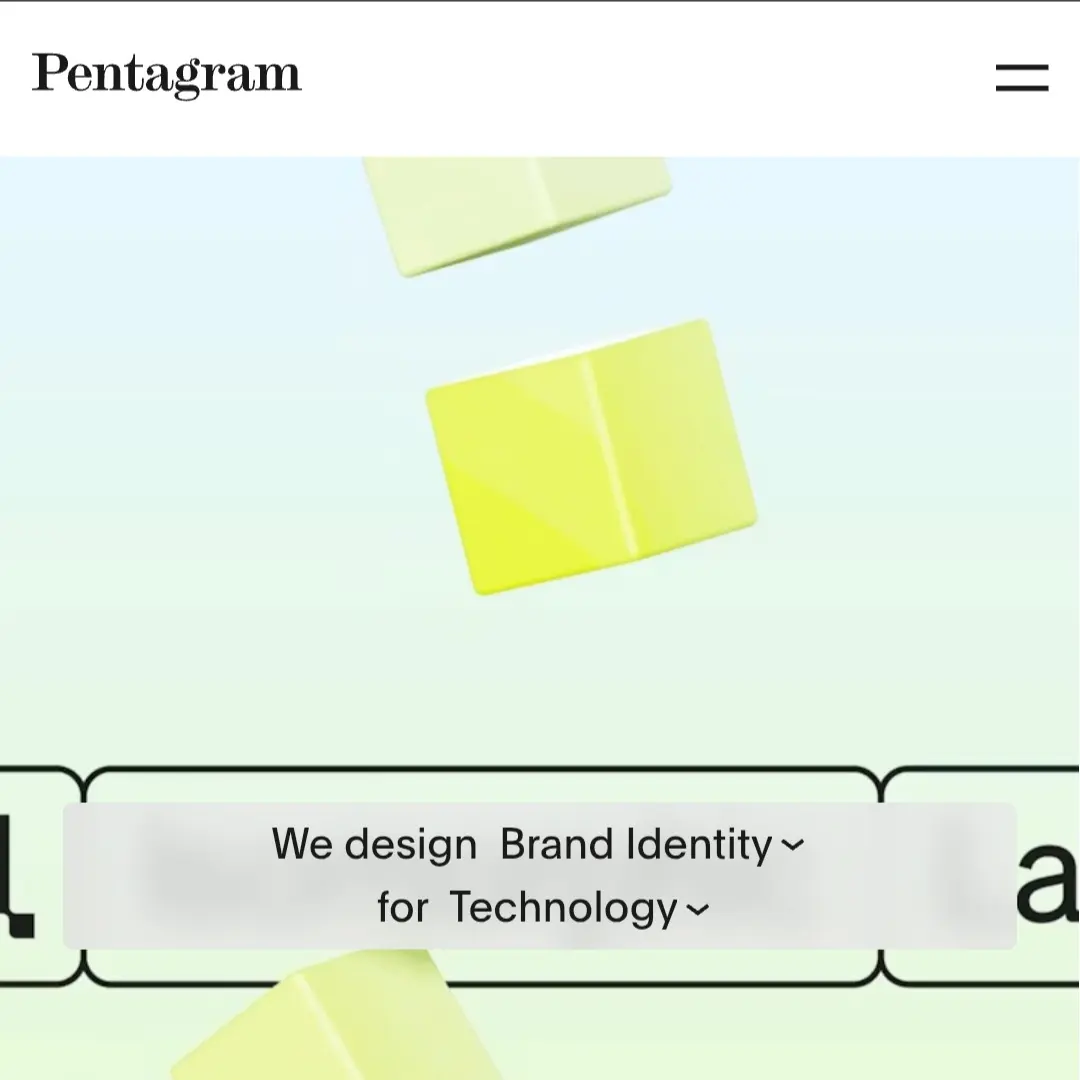
For Terza, I picked inspirations from two websites, one of them suggested by Ruth.
Step Three: Write the Drafts
I write a lot of headlines, and if time allows, I usually write six drafts. Then I narrow it down to four, into two, revise them, and finally pick the best out of the two. You may do it however you want, but I have a few methods that will help you write.
Seven Rules
-
Focus on Conveying Benefit
This applies especially when you are offering a solution to people's problem. I understand that we are proud of our products, and that is great. But we have to entice people into listening, by stating the obvious.
Instead of selling by stating how much your product can do, tell people what they can do using your products. A good example was when Steve Jobs first introduced iPod music player, way before music streaming was a thing. Instead of saying “xxx gigabytes of storage”, Apple simply said “1,000 songs in your pocket”, which was a lot at the time. At Terza, we promise that we can make your brand “speak” to your customer, hence the headline “Let Your Brand Speak”.

Apple, 2001 — the benefit, not the spec On this rule, I found it hard to find a counter example. There are very few occasions, if any, where you want to break this rule. Even when selling luxury goods for the benefit of social status, you should keep this rule in mind.
-
Use Active Sentences
This is not a one-size-fits-all; you might want to break this pattern sometimes. But in general, active voice sounds more appealing to the masses. Surely there are legendary taglines such as Fisherman's Friend's (“It's strong; are you?”) or the legendary milk campaign (“Got milk?”). In Terza's case, we stick to active sentence (“Let Your Brand Speak”, “We do design”).
-
Write Like You Talk
This rule of thumb is especially true if you are writing something longer than two sentences. Remember that you are not just writing; you are copywriting. You don't write for yourself or for pleasure. You are writing a letter to your potential customer, and they don't have much time or energy to digest high literatures right now. Use conversational language as much as possible. You succeed by being understood.
-
Keep It Short
Don't write a full page if one paragraph is enough. Don't write a sentence when two words shall suffice.
-
Use All Vowels If Possible
This applies whenever you are looking for a name. It can be a name for your new product line, a sub-brand, or even baby names. There is a reason why “Audioslave” sounds good as a band name and looks great on album covers. Also, I think “The quick brown fox jumps over the lazy dog” sounds somewhat catchy (it's a pangram—a sentence that includes all alphabets for typography tests). We remember words mainly by the vowels, so why not use them?
I am aware that ‘Terza Studio’ sounds a little better than ‘Terza Agency’ or ‘Terza’ by itself, but we want to be more versatile since ‘studio’ is associated more exclusively towards design.
-
Rhyme If You Can
The classic example is “Need for Speed”, which is such a memorable phrase. Other examples: “Collaboration station” (Attio), “Make every day payday” (Lyft), “Love what you do and make money too” (Ko-fi). There are different ways of rhyming that you can explore (“Literally a litre” is a good rhyme for selling drinks), so go for it if you can.
-
Be Consistent with Your Branding
Your brand is not a name; it is a system. Is your brand affordable, or prohibitively expensive? Is your brand friendly, or exclusive? Is your brand simple, or sophisticated? The way you write things around your website, deck, and advertisements should have a similar tone. At Terza, we want to sound simple and confident, so everything should feel snappy.
Step Four: Ask for Feedbacks
There are two ways of seeking feedback. You can ask people for opinions, or even AI. However, a better way is getting feedback from yourself.
Remember: you wrote this stuff. You are the expert on this particular subject matter, but that is not all; you also evolve over time. So here is my suggestion: do not rush. Work hard on your research, write a few drafts, and leave it overnight. Get some workout in the morning, grab a coffee, do chores and other things, listen to music and work on other projects. Only then, come back and evaluate your drafts. You will see things which you can improve, and sometimes the drafts you crossed out previously might see a comeback.
If you need feedback from others, make sure that you only ask from people who know how to articulate their thoughts. There is no point in asking for suggestions from someone who cannot argue and communicate. Why? Because everybody and his brother has an opinion. The useful ones are the thoughtful ones. If you want some two-cents from a layman, always take it with a grain of salt. Never get yourself frustrated by asking for advice from people who do not really care.
If you work in a team and you trust their taste (like I do), ask them to vote between a few options. You don't have to do this every time, but it's the quickest way to get human feedback. If you want to use AI, make sure you prepare it with sufficient knowledge files and clear instruction with full context.
Step Five: Decide
Submit your work, see it go live, and move on. Any writing should be published when you believe that it is good enough, since “Good enough” is actually perfect. “Good enough” means you are not overspending time and effort to produce it, while meeting all the requirements. That is literally perfect.
“Good enough” is actually perfect.
If you find it not performing as expected in a few weeks, write a new one and replace it. Do not bother changing anything; just work to write a new one from scratch. You did your best at the time, and you will do your best again this time.
Closer
To write something unique that sounds sincere, is a great challenge. Sure, you can spit a few prompts into large language models and get generic copies that might work. But if you want a result that you really-really like, it has to involve you in the process. Try writing it yourself, and you will see the difference. If you need anything, we will be here for you.